XS
About 4 weeks
Example RFPs
Admin Authority Library, Freeze Authority
Library
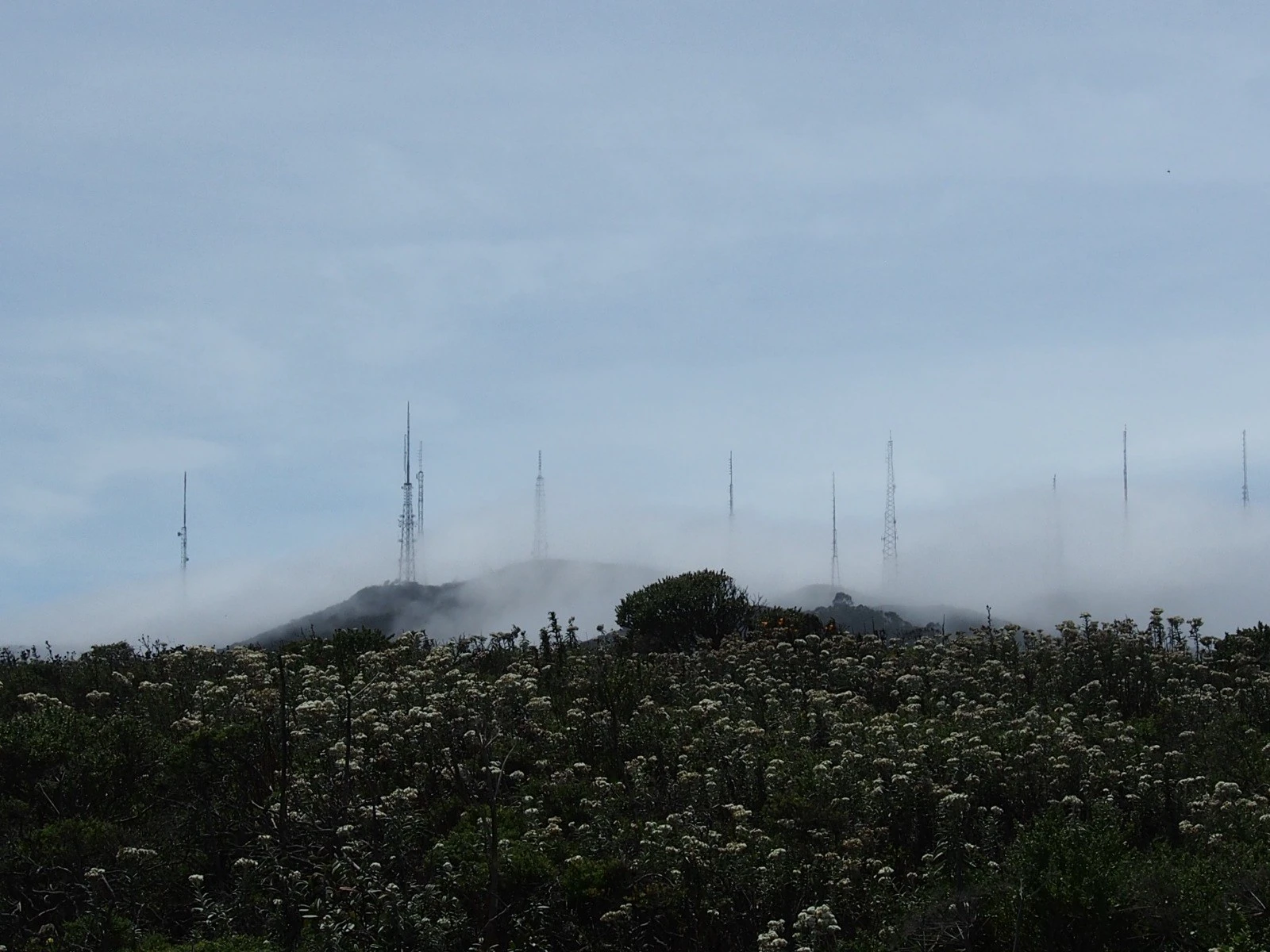
 FIG. 01 — MAST, BLUE HOUR
How it works
Five steps from spec to payout
Each RFP is an open request for a protocol or building block the whole
ecosystem can use. Your team proposes how to build it. Selected teams
get a grant, paid per milestone, so you obtain funding to gain Logos
stack expertise.
Each RFP sets the scope, the
requirements, the team profile and
the expected timeline.
Submit a proposal via the dedicated
form with your team, technical
approach, milestones, and budget.
Expect a decision within 14 days of
the RFP closing. Logos may ask
questions or suggest changes.
Milestones, payouts, and the timeline
are set in writing.
Each milestone is paid as it lands.
Break the work into milestones, each with its own
deliverables, USD payout, and duration.
Handling user funds or new cryptography? Add an audit
milestone.
Example milestone plan
SampleArchitecture doc, API spec, wireframes
Program on devnet, CLI
Tests in CI, README, integration guide
Independent security review, published report
Each milestone is paid as it's delivered.
Tiers
Timelines from published specs
Every RFP is tagged with a tier.
About 4 weeks
Example RFPs
Admin Authority Library, Freeze Authority
Library
6 to 10 weeks
Example RFPs
RedStone Oracle Adaptor
8 weeks to 6 months
Example RFPs
Multisig and Coordination, Token Vesting,
TWAP Oracle
14 to 24 weeks
Example RFPs
Privacy-Preserving DEX, Atomic Swaps,
Lending and Borrowing
Open RFPs
There are 16 RFPs published so far, covering the core components of a private
financial system.
 Open · L
RFP-017
Build a token vesting program on LEZ that locks project, team, or investor tokens against configurable time-based schedules (cliff, linear, or…
Applications and IntegrationsOpen
Learn more Open · M
RFP-021
Build a reusable LEZ primitive that lets any LEZ program act on a fact about Ethereum state and know that fact is true, with no trusted intermediary. A…
Developer Tooling and InfrastructureOpen
Learn more Open · L
RFP-022
Build a trustless, privacy-preserving lock-and-mint bridge that lets ERC-20 tokens and native ETH, held on Ethereum, enter LEZ as wrapped assets backed…
Developer Tooling and InfrastructureOpen
Learn moreWhat you ship
The bar for RFPs is purposefully high as other teams will
be building on the infrastructure you create.
A module or SDK other Logos apps can call
A mini-app that runs in Basecamp
A CLI for core operations
Tests in CI, green on the default branch
Docs for developers and for users
A privacy document: what observers see, what stays private, what's trusted
A design decision log
Open source code under MIT and Apache 2.0
Who should apply
Teams that want to grow with Logos, not deliver and leave. Each RFP
names the experience it needs: custody design, Rust for zkVM targets,
applied cryptography, DeFi protocol engineering.
You build complex software and get paid as each milestone lands.
During this process, you'll cultivate deep expertise in the Logos stack
and join a community and ecosystem building for the long term.
RFP categories
 FIG. 07 — DISH, VALLEY
The terms
Read before you propose
You keep ownership of your code. It is licensed open source under MIT and Apache 2.0.
Proposals are public.
No grant is awarded until a grant agreement is signed.
Logos is the grantor. It doesn't deploy, host or operate what you build.
Logos selects at its discretion and may select no proposal.
After the RFP
What you build is yours, open source under MIT and Apache 2.0. Take
what you learned into your own venture, product, or app. Or you can
launch to real users on Logos and aim to win a Lambda Prize.
 Lambda Prize